en
 nl
 de
 it
 es

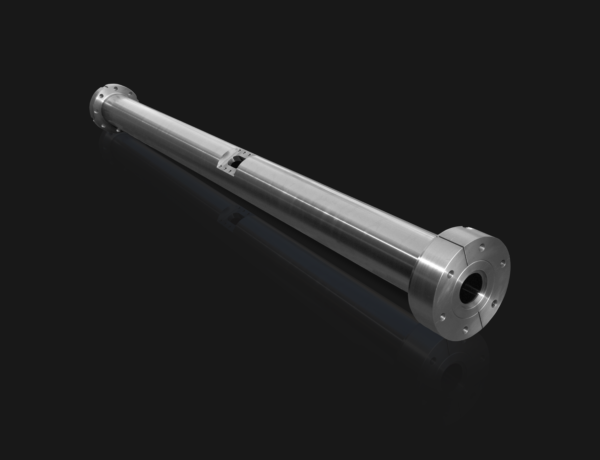
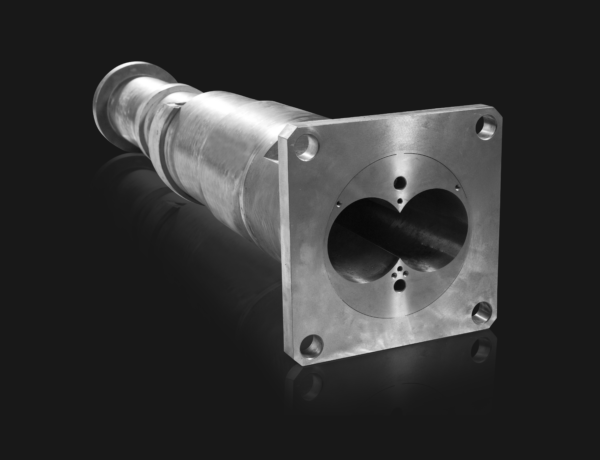
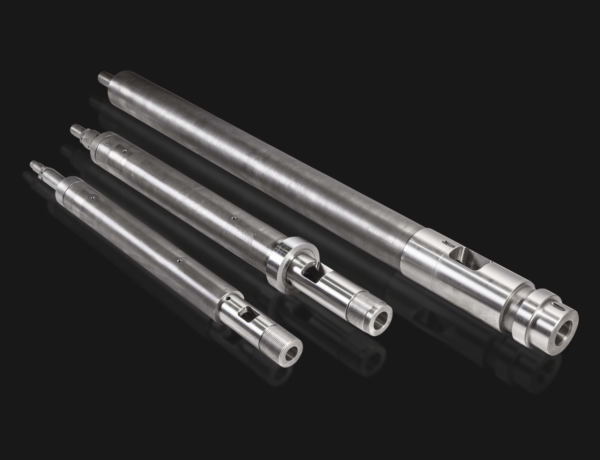
Nitrided Barrels
We offer a wide range of nitrided barrels.
Hardened Barrels
We offer a wide range of hardened barrels for small-diameter applications.
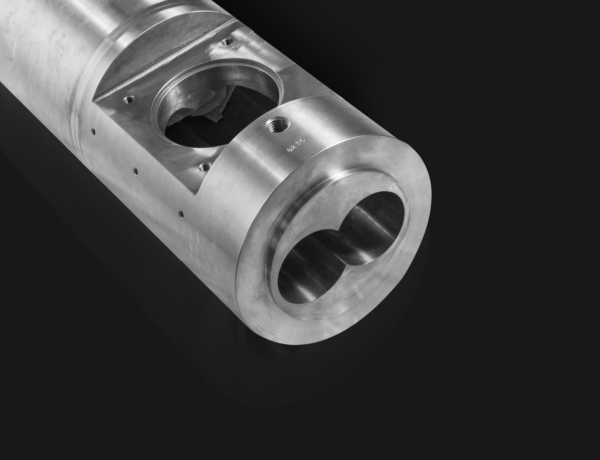
Bimetallic Barrels
Bimetallic barrels are the best solution for combating abrasive and corrosive wear.
Our Bimetallic Alloys
Our bimetallic alloys feature high and uniform hardness throughout the entire thickness of the lining, approximately 2 mm. Bimetallic barrels also offer a service life more than 12 times longer than nitrided barrels, ensuring an outstanding cost-to-lifetime ratio.
The table below presents five different bimetallic alloys, classified according to their resistance to abrasive wear, making it easier to select the alloy best suited to your processing requirements.

Our Nitrided and Hardened Barrels
Through a gas nitriding process, a hardened surface layer approximately 0.4–0.5 mm thick is created, providing the nitrided barrel with excellent wear resistance. This makes it a cost-effective solution for processing unfilled polymers, offering an excellent price-to-service-life ratio.
-
MM Code
Base Material
Treatment
Abrasion resistance
(x good) to (xxxxx excellent)Corrosion resistance
(x good) to (xxxxx excellent) -
MM31Quenced and TemperedNitriding++
-
MM41Quenced and TemperedNitriding++
-
MM34Quenced and TemperedNitriding++
Bimetallic Alloys Table
The alloy classification is based on resistance to abrasion and corrosion.
KB100 and KB109 are general-purpose alloys, while KB300 and KB350 are recommended for applications subject to severe wear. KB200 is specifically designed to withstand highly corrosive processing environments.
-
Type
Alloy
Alloy components
Hardness [HRC]
(a) Hardness of matrix, tungsten carbides have a hardness of 89 HRC.Abrasion resistance
(x good) to (xxxxx excellent)Corrosion resistance
(x good) to (xxxxx excellent) -
KB 100FeNi - C - B58 - 65+++
-
KB 109Fe - CrNi - Mo - Cu - C - B64 - 69++++++
-
KB 200Ni - CoCr - Mo - B48 - 56++++++
-
KB 300NiCr - Ni - Co - B - W60 - 66 (a)++++++++
-
KB 350NiCr - Si - B - W60 - 66 (a)+++++++++
-
TypeKB 100
-
AlloyFe
-
Alloy componentsNi - C - B
-
Hardness [HRC]58 - 65
-
Abrasion resistance++
-
Corrosion resistance+
-
TypeKB 109
-
AlloyFe - Cr
-
Alloy componentsNi - Mo - Cu - C - B
-
Hardness [HRC]64 - 69
-
Abrasion resistance+++
-
Corrosion resistance+++
-
TypeKB 200
-
AlloyNi - Co
-
Alloy componentsCr - Mo - B
-
Hardness [HRC]48 - 56
-
Abrasion resistance+
-
Corrosion resistance+++++
Base Materials Table
The choice of bimetallic alloy can be combined with different base barrel materials. Selection is based on the barrel’s internal pressure requirements and overall design configuration. The various material options ensure optimal barrel performance and reliability for each specific application.
-
Type
Yield point at 300°C
Application
-
KB 25250 N/mm2Extrusion
-
KB 37370 N/mm2Extrusion
-
KB 63630 N/mm2Injectie
-
KB 13130 N/mm2Extrusion
-
KB 48480 N/mm2Extrusion & Injectie
Barrel Examples

Nitrided Barrels
Contact us-
Alloy1,8509
-
Alloy ComponentsCr - Al - Ni
-
Hardness [HRC]950-1100 Hv (65-67 Hrc)
-
Dimensions [mm]Ø 55
-
Abrasion Resistance+
-
Corrosion Resistance+

KB100/109 Bimetallic Barrels
Contact us-
AlloyKB109
-
Alloy ComponentsFe - Cr
-
Hardness [HRC]64 - 69
-
Dimensions [mm]Ø 200
-
Abrasion Resistance+++
-
Corrosion Resistance+++

KB300/350 Bimetallic Barrels
Contact us-
AlloyKB350
-
Alloy ComponentsNi - Carburo di Tungsteno
-
Hardness [HRC]60 - 66
-
Dimensions [mm]Ø 150
-
Abrasion Resistance+++++
-
Corrosion Resistance++++
Other Products
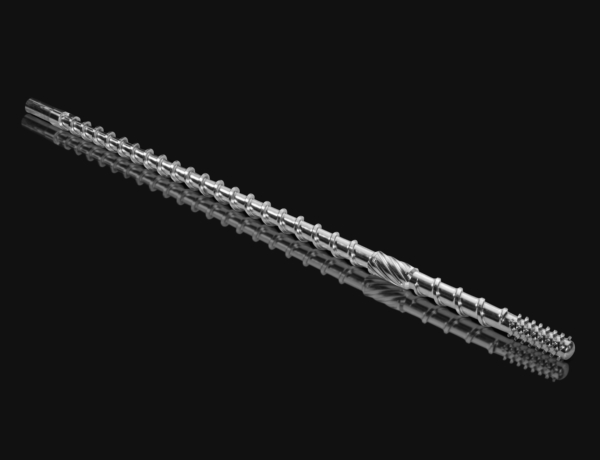
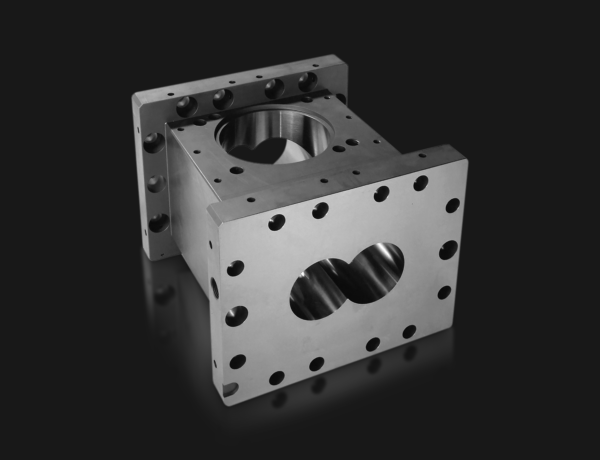
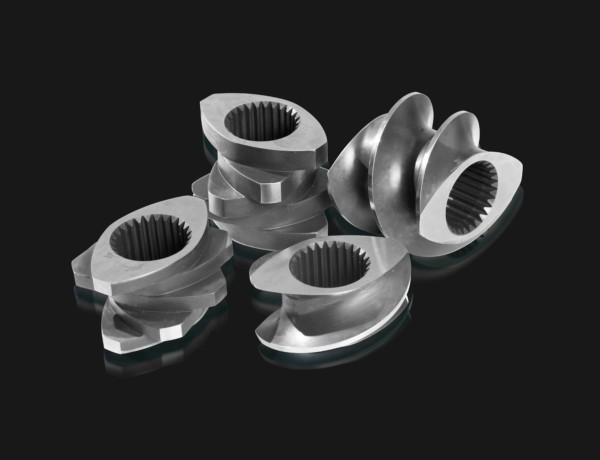
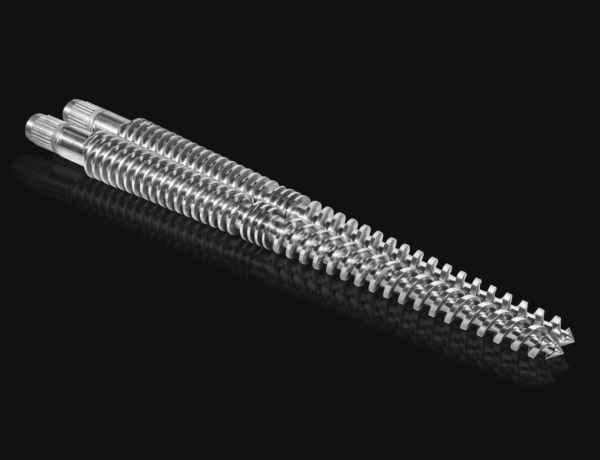
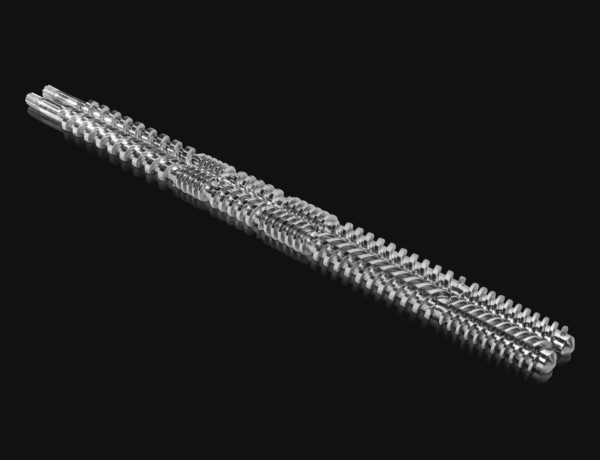
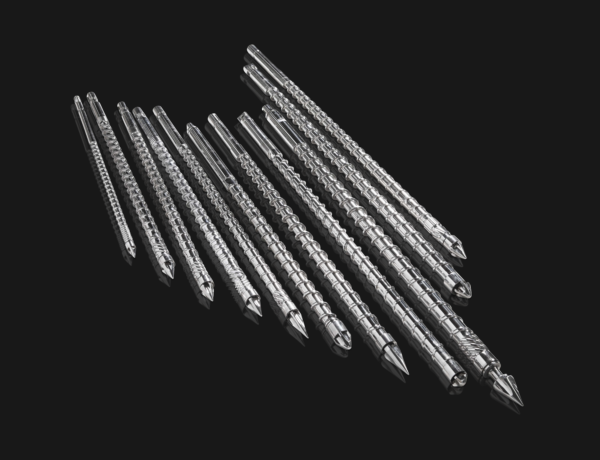
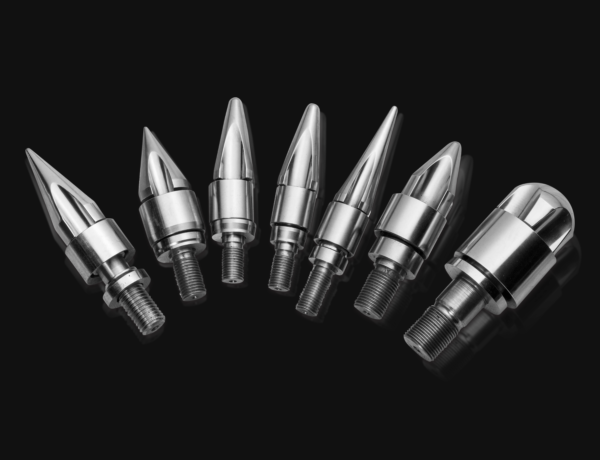
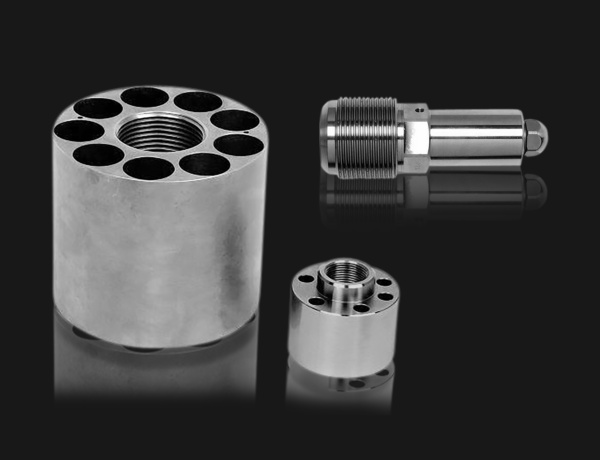
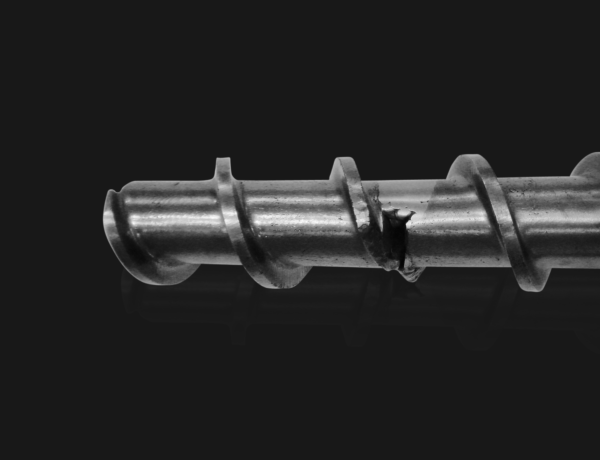
Additional components for injection and extrusion units are also available. Click on the images below to learn more about our product range.